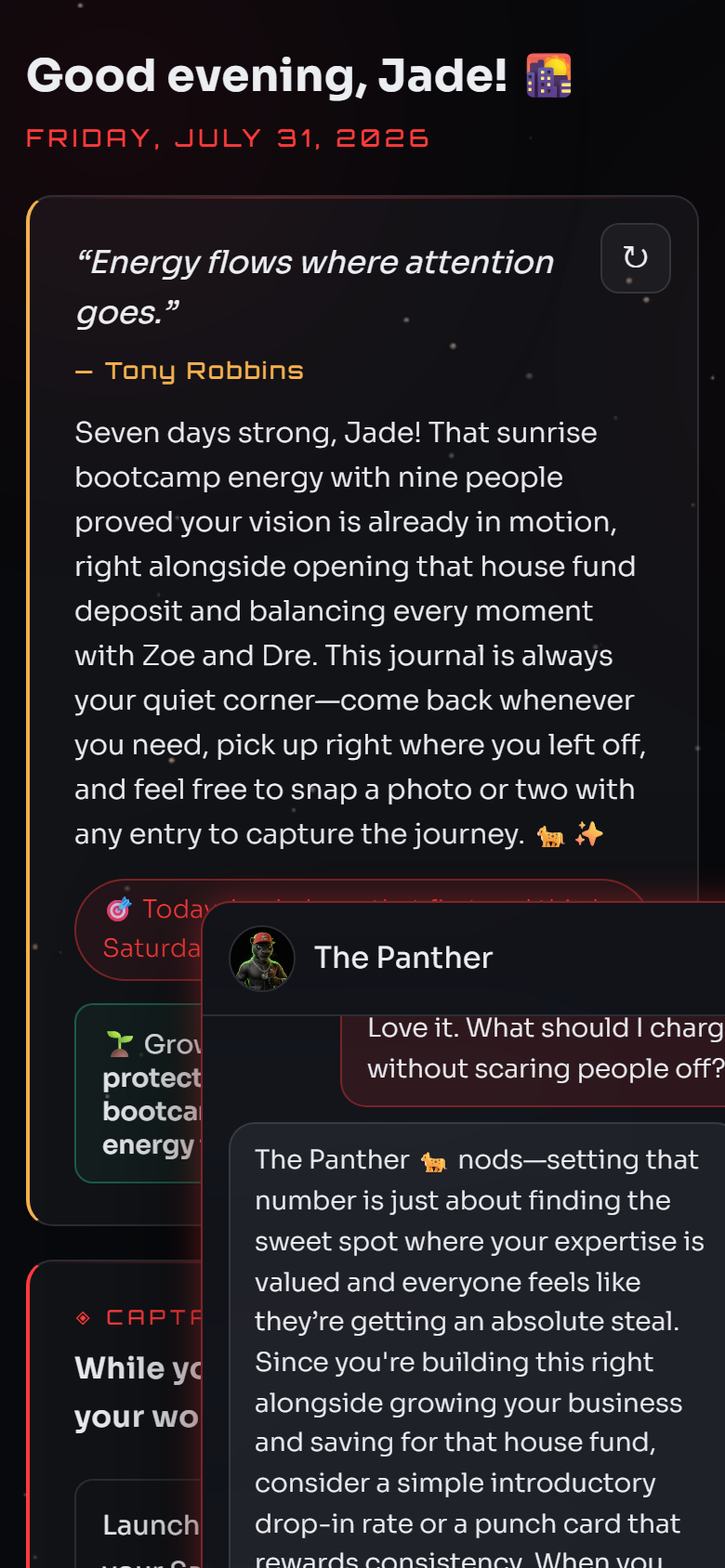
A FIVEPILLAR MINDSET visual created for this guide. The practical journal exercise appears below.
🧭 The Recovery Path · Stage 5 of 6 — Repairing trust, boundaries and family · See the whole path
The Difference Between Support and Control
Supporting a loved one in recovery requires a clear distinction between offering compassionate presence and attempting to manage their choices [S1]. Control often stems from unmanaged anxiety, manifesting as constant monitoring, unsolicited advice, tracking daily routines, or expecting linear progress. True support focuses on active listening, respecting individual autonomy, and validating efforts without dictating outcomes [S1]. Recovery is an independent, non-linear journey; attempting to enforce personal expectations can damage trust and increase emotional friction [S2]. When family members step back from trying to fix or manage the process, they create space for the individual to develop genuine personal responsibility and resilience [S1]. Establishing this boundary protects mutual trust and fosters an environment where sustainable recovery can take root [S2].
The journal's private AI coach conversation in FIVEPILLAR MINDSET. Use the workbook actions in this guide to carry an exercise into your own private entry.
Four Principles for Healthy Boundaries
Boundaries are not punitive measures; they are essential guidelines that safeguard your emotional well-being while encouraging independence in your loved one [S1].
Focus on Self-Regulation
Recognize when personal fear or frustration urges you to intervene, and address those feelings through personal reflection rather than control [S2].
Define Acceptable Behaviors
Clearly communicate what actions you will and will not accommodate within your shared environment without resorting to ultimatums [S1].
Practice Non-Judgmental Listening
Allow your loved one to express challenges without immediately stepping in to solve their problems or offer unsolicited advice [S1].
Direct to Qualified Resources
Encourage reliance on professional treatment providers, support groups, and clinical specialists for recovery guidance [S2].
Practical Ways to Offer Help Without Taking Over
Tangible help supports daily life without encroaching on personal agency or creating dependency [S1].
Engage in Neutral Activities
Share low-pressure routines like preparing healthy meals, going for walks, or working on personal hobbies together.
Maintain a Predictable Environment
Keep common living spaces organized and stable while respecting private areas and individual schedules [S2].
Encourage Self-Directed Tracking
Suggest that they track their own wellness progress using personal reflection tools rather than requiring reports [F1].
Try this in your journal
Maintaining boundaries while supporting someone requires consistent self-awareness and intentional daily reflection [S2]. Use these practical steps in FivePillar Mindset to keep your focus grounded:
1. Record Your Thoughts via Voice Input
Use private voice input to externalize worries, fears, or the urge to control [F1]. Speaking your thoughts aloud helps process anxiety without projecting it onto your loved one.
2. Track Personal Habits and Energy
Log your daily sleep, exercise, and boundary-setting habits [F1]. Prioritizing your own health ensures you have the stamina to offer steady support.
3. Save Boundary Principles in Library Tools
Store key notes, places, and helpful reminders in your searchable library tools for fast reference whenever stress arises [F5].
4. Ask Your Coach for Grounding Guidance
Ask your coach: 'What is one boundary I can maintain today to focus on my own growth?' The coach uses a bounded rolling summary capped at 600 words for personal facts while keeping full private entries separate [F3].
True strength comes from mastering your own discipline, protecting your emotional boundaries, and honoring another person's individual journey toward growth.
Grounded Mindset Principle
Recognizing Limitations and Finding Qualified Resources
While personal reflection and family encouragement play vital roles, non-clinical support cannot replace professional medical care or addiction treatment [S1]. Recovery involves physiological and psychological complexities that demand evidence-based intervention from healthcare professionals [S1]. If a loved one encounters severe mental distress or crisis, direct them toward established organizations such as SAMHSA [S1, S2]. Make a note about this in your journal: write down official national helpline numbers and local clinical contacts in your private notes so you are prepared with verified facts if professional help is requested. Your primary responsibility is maintaining your own wellness and offering compassionate companionship, not acting as a counselor or sponsor [S2]. Seeking support groups for family members helps reinforce healthy boundaries and personal peace [S2].
Build Your Daily Foundation with FivePillar Mindset
Cultivate personal discipline, track daily habits, and process life's challenges in a private AI journal built to support long-term self-growth and boundary management [F1].
How can I tell if I am being supportive or controlling?
Support offers assistance and active listening while respecting personal autonomy [S1]. Control involves managing daily decisions, tracking routines, or demanding regular progress reports [S1].
What should I do if a loved one refuses professional help?
Focus on maintaining your personal boundaries and well-being [S2]. You cannot force treatment, but you can provide information on resources like SAMHSA when appropriate [S1].
How does personal journaling help family members of people in recovery?
Journaling allows supporters to process fear and stress privately without projecting anxiety onto their loved one [S2]. FivePillar Mindset offers voice input and habit tracking to maintain emotional stability [F1].
Is FivePillar Mindset a substitute for therapy or medical recovery programs?
No. FivePillar Mindset is a private self-improvement journal for general wellness and habit tracking [F1]. It does not provide medical advice or clinical treatment [S1].
FROM EDUCATION TO PERSONAL ACTION
Use this insight inside FIVEPILLAR MINDSET
This article remains public educational content. Inside the private journal, you decide whether to apply it to your own life, save a reflection or discuss it with your coach.
Recovery-aware journalUse private daily inventory, milestone reflection and optional program-aware support alongside real-world care.See how this feature works →
One Life Coach Operating SystemThe journal, memory, goals, timeline, map, favorites, coach and books are connected views—not separate journals.Explore the complete system →
Try it without an accountUse fictional sample data to feel the raw-words-to-coaching transformation. Nothing is saved and no paid AI call is made.Open the interactive demo →
Sources & verified facts
Product: A private AI journal with voice input, long-term condensed memory, coach chat, photos, places, habits, recovery-aware support, monthly reviews and a printable yearbook.
Coach memory: The coach uses a bounded rolling summary capped at 600 words for lasting personal facts, while full private entries remain separate.
Library tools: The journal supports searchable favorites for people, songs, dishes, recipes, places, books, activities, products and memories.
This article is for educational purposes only and does not constitute medical advice or clinical treatment. FivePillar Mindset is a self-improvement journaling application and is not affiliated with or endorsed by government agencies.