Physical Safety & Boundaries
Document safe living spaces, house rules, and firm personal boundaries to keep your living environment secure and substance-free [S1].
How to organize your living space, maintain daily routines, and strengthen personal boundaries using a structured journaling approach.
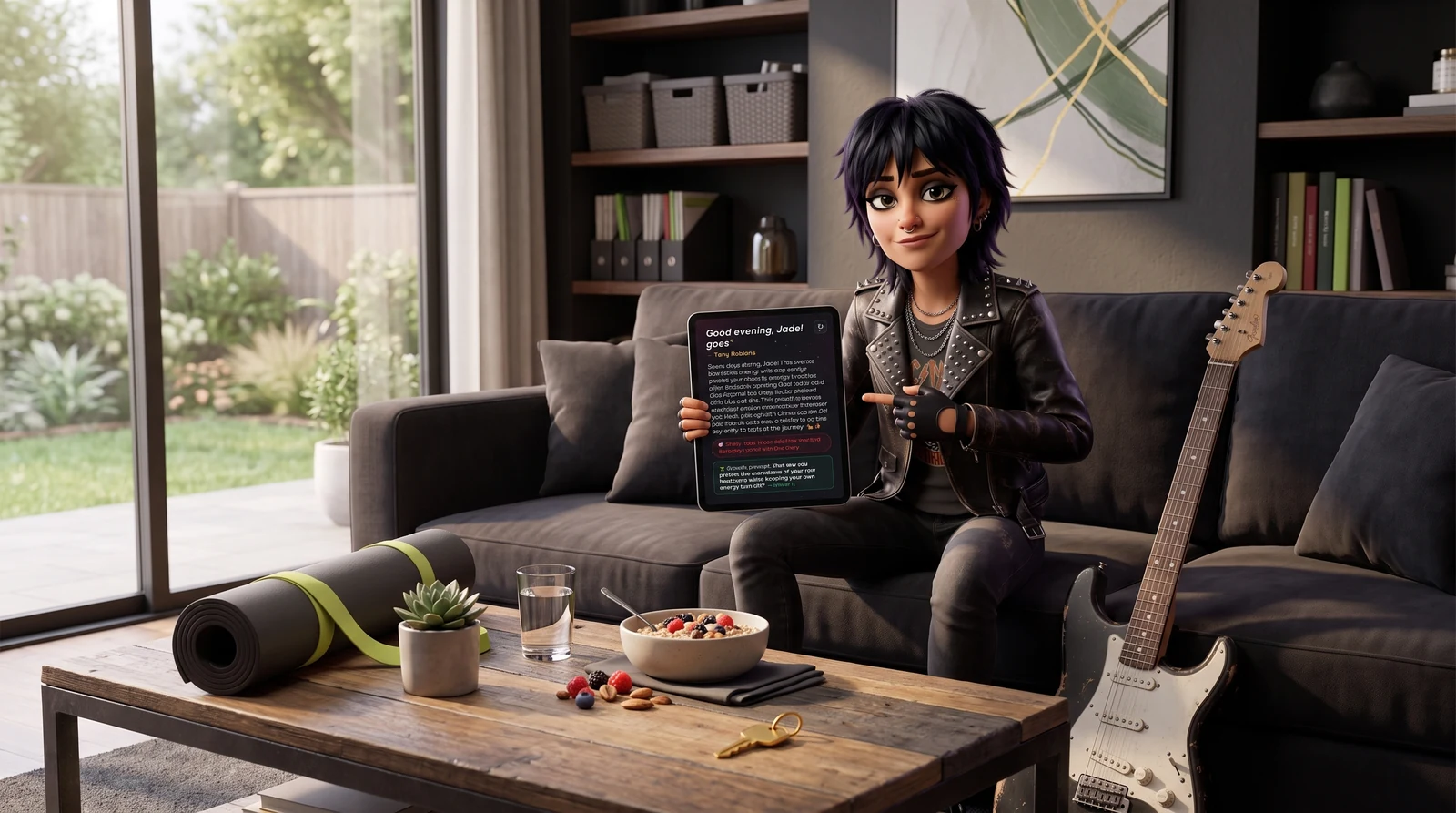
According to the Substance Abuse and Mental Health Services Administration (SAMHSA), recovery encompasses four major dimensions: health, home, purpose, and community [S1]. The home dimension centers on having a stable and safe place to live [S1, S2]. Stability in your living space provides the foundation needed to manage stress, maintain health routines, and honor daily commitments [S1]. However, home stability is rarely achieved in a single leap; it is constructed step-by-step through consistent daily actions, manageable household routines, physical maintenance, personal safety boundaries, and administrative organization [S1]. A dedicated recovery journal acts as a personal operational dashboard where you track boundaries, legal or housing paperwork, immediate repairs, and domestic habits [F1]. Journaling does not replace formal legal advice, social work services, or housing placement programs; rather, it offers a structured mental space to focus on what you can control today [S1]. By documenting minor victories and keeping track of physical environments, you establish physical order that supports long-term personal growth and peace of mind [S1, S2].
Tracking your living space involves breaking down home management into clear, non-overwhelming components [S1]. Rather than attempting to fix every residential challenge simultaneously, effective self-reflection focuses on distinct operational areas that foster peace and predictability [S1].
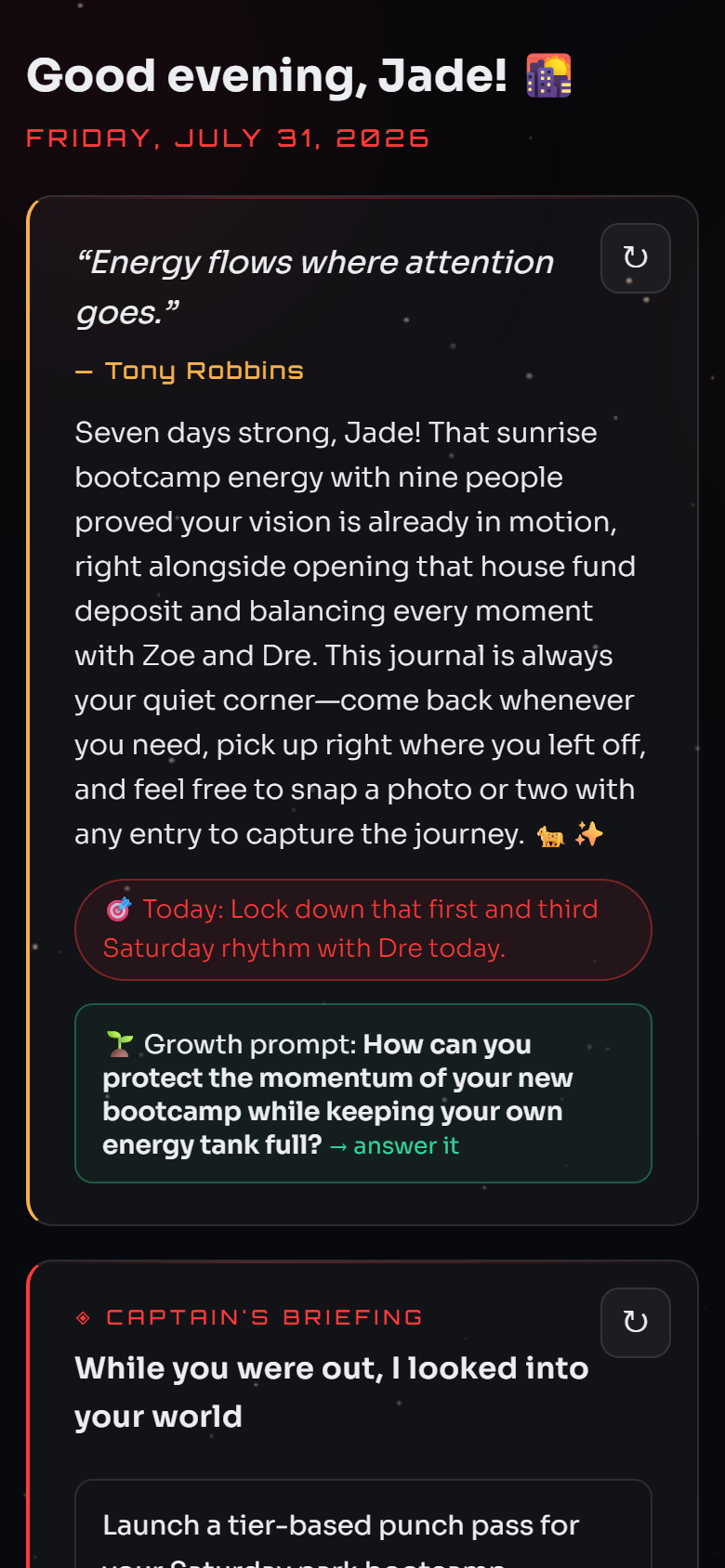
Using the FivePillar Mindset private AI journal, you can turn housing stress into structured daily execution [F1]. Members choose what they write or save, maintaining complete privacy while building personal clarity [F2]. Follow these four steps to audit and stabilize your home dimension today [S1].
"True freedom begins with a quiet, orderly space where you can close the door and feel entirely safe. You don't need a perfect home overnight; you just need to take command of the single corner, routine, or responsibility right in front of you today." — Shaun 'Gotti' Williams, FivePillar Mindset [F1]. Establishing physical order is an active practice of self-respect. When your environment reflects discipline and clarity, your recovery has a solid surface on which to stand [S1].
To make home stability an active part of your daily recovery, integrate targeted journaling prompts into your regular morning or evening routine [F1]. Make a note about this in your journal: Write down three specific actions that make your living space feel safer and more relaxing tonight. Detail whether this means clearing off your desk, communicating a house rule to a roommate, or filing important mail [F1, S1]. Ask your coach prompt: If you find yourself overwhelmed by household disorganization or administrative paperwork, open the coach chat and ask: "How can I break down my home maintenance tasks into five-minute daily routines so I maintain stability without getting overwhelmed?" [F1, F3]. The FivePillar Mindset AI coach utilizes a bounded rolling summary capped at 600 words for lasting personal facts, while your full private entries remain completely separate [F3]. Exclusions ensure that generated drafts, blog copy, and coach prose are never condensed into your personal memory bank [F4].
Building a sustainable home environment requires balancing long-term stability with everyday practical habits [S1, S2]. Research and practical experience highlight specific structural elements that build safety and consistency over time [S1].
Taking control of your physical environment is one of the most empowering choices in personal growth and recovery [S1]. A structured, recovery-aware digital journal provides the privacy, memory tools, and daily habit tracking needed to systematically clean up disorganization and protect your boundaries [F1]. FivePillar Mindset offers voice input, recovery-aware AI coaching, monthly reviews, and an option to print a physical yearbook of your progress [F1]. Begin tracking your stabilizing actions today, build consistency step-by-step, and create a permanent record of the quiet environment you build for yourself [F1, S1].
Start Your Recovery JournalJournaling helps translate broad housing and recovery goals into manageable daily routines, safety boundary checks, administrative tracking, and clear personal habits [F1, S1].
No. A recovery journal is a self-reflection and habit-building tool for personal organization; it does not replace legal representation, social services, or housing programs [S1].
FROM EDUCATION TO PERSONAL ACTION
This article remains public educational content. Inside the private journal, you decide whether to apply it to your own life, save a reflection or discuss it with your coach.